
Chronic Insomnia Recovery: How Carli Got Her Sleep Back

Key Takeaways
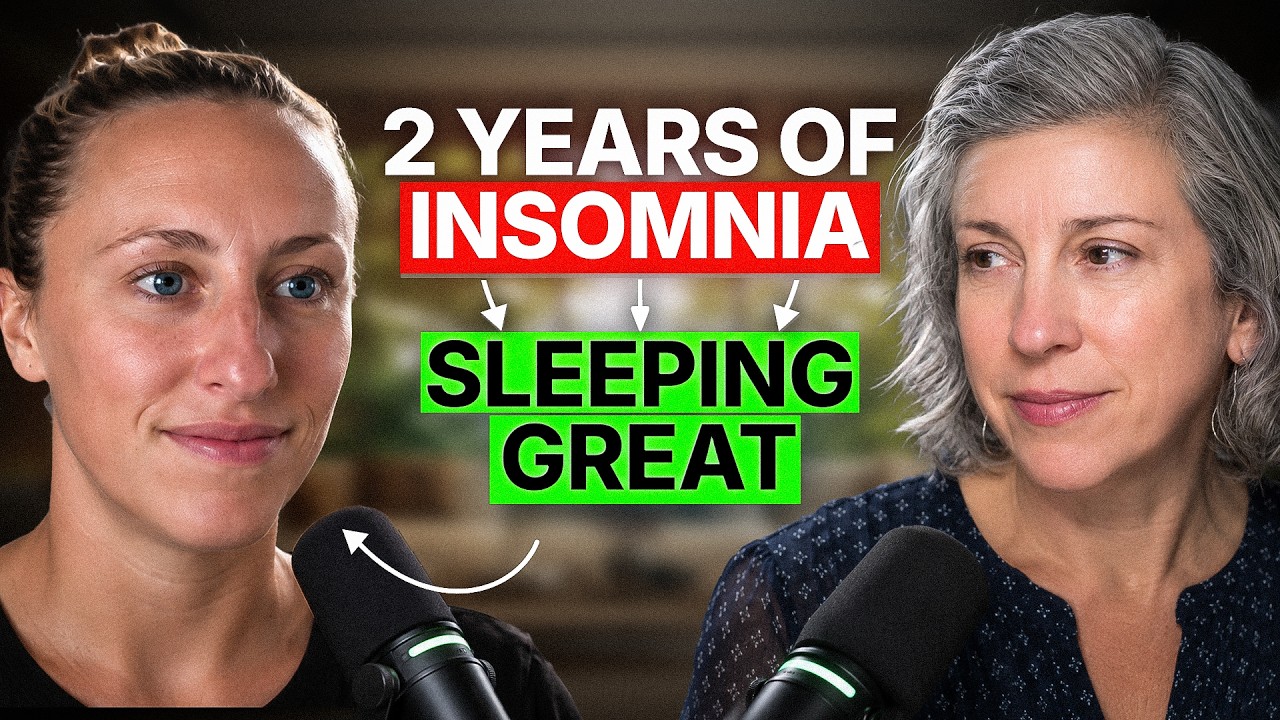
Carli went from weeks of sleeping only a couple of hours a night to sleeping better than she had since her insomnia started within about two months, after prescriptions, a sleep doctor, and CBT-I hadn't fixed it.
Her functional labs showed gut inflammation, a higher toxin burden, and hormone imbalances on top of already-elevated cortisol, none of which her prescriptions addressed, and two to three cups of coffee before breakfast plus growing anxiety about sleep were adding to the problem.
Functional lab testing, combined with more protein, caffeine only after breakfast, less sugar and alcohol, a supplement regimen, and work on sleep anxiety, targeted what was driving her insomnia instead of adding another prescription.
By the time Carli found my podcast, she had gone weeks without sleeping more than a couple of hours a night. She was about to take leave from work because she couldn't focus. She'd been dealing with insomnia for a year and a half and was devoting all of her energy and resources to figuring it out.
Her story is one I hear constantly. She tried everything, followed the rules, took what the doctors prescribed, and still couldn't sleep. What changed wasn't a better drug. It was finding out what was actually going on in her body.
Carli's insomnia started on her 32nd birthday. She was traveling, felt something coming on that she assumed was allergies, and couldn't fall asleep. A few days later she realized it was COVID.
She recovered from COVID, but her sleep didn't. The next month she traveled and couldn't fall asleep. The month after that, she couldn't sleep four nights in a row.
Her primary care PA prescribed hydroxyzine and told her to take it every night for 30 days to get back on track. In Carli's words, "It helped me fall asleep, until it didn't." Next came trazodone, which worked even less.
She waited three to four months to see a sleep doctor. He gave her the list of sleep hygiene rules she was already following and a prescription for a benzodiazepine.
Carli didn't want to just take a drug, so she found a CBT-I therapist. It helped her attitude about sleep. But logging bad nights in a sleep diary, then having the app tell her she needed more sleep, became its own feedback loop. She called it medium helpful.
By then she was taking something every night: hydroxyzine, melatonin, weed gummies. She felt better about the gummies because they weren't a prescription, but she was still relying on them. They worked until they didn't, too.
Eventually a psychiatrist added other benzodiazepines, drugs meant to get her circadian rhythm back on track, and an SSRI for the anxiety she'd developed around sleep. That winter was the worst it ever got. Nothing was working, and she kept being handed more drugs.
When we ran her functional labs, the biggest finding was inflammation, especially gut inflammation. That made sense to Carli, who'd had gut issues most of her life.
Her results also showed a higher toxin burden. Her hormones were a mess, which didn't surprise her. Bloodwork from her primary care provider and gynecologist over the previous year had already shown her cortisol running a little high and some hormones way off.
We started making changes before her results even came back. Carli's diet was generally healthy. But she was drinking two to three cups of coffee before breakfast, and she'd been doing that for over a decade.
So the first shift was adding protein to every meal, especially breakfast, and holding off on caffeine until after she'd eaten. As she put it, if anything was making her cortisol crazy, it was probably the caffeine. We also worked on blood sugar, and she got more careful with sugar and alcohol.
Once her results came in, she started the supplement regimen I recommended, including support for her nervous system. She described it as supporting the things she couldn't support directly on her own.
The third piece was the mental side. She used the program videos on sleep anxiety, and we worked on it in our sessions. Carli named those three things (diet, supplements, and the mindset work) as what made the biggest difference.
After a couple of weeks, she was sleeping significantly better and more consistently. It wasn't perfect yet, but it was a big change. About two months in, she was sleeping better than she had since the insomnia started.
That's quick. Fast improvement isn't true for everyone. But it also made it easier for her to back off the sleep aids, because she felt supported in another way.
Travel was the hardest piece. Carli didn't think she'd ever be able to travel again without hydroxyzine. Now she's hardly taking anything when she travels and sleeping great most of the time.
She still has off nights, because no one sleeps perfectly. What's changed is how fast she recovers: "Instead of going like four or five nights not sleeping, I go like maybe one or two nights without great sleep, and then I get back on track." She's also more aware of days that are exciting or upsetting and gives herself extra time to wind down.
She wakes up rested now. She has the energy to exercise again, and she feels like her body is healing instead of just surviving.
So many of my clients look like Carli on paper. They eat well, exercise, and follow sleep hygiene. There are still usually adjustments that make a big difference, and you find them by testing what's going on in your body, not by adding another prescription.
FAQ
Q: Why can't I sleep if I already eat healthy and follow sleep hygiene?
A: Because eating well and following sleep hygiene doesn't mean nothing is off in your body. Most of my clients already eat well, exercise, and follow the sleep hygiene rules, and there are still usually adjustments that make a big difference. Carli considered her diet healthy, but she was drinking two to three cups of coffee before breakfast, and her labs showed gut inflammation, a higher toxin burden, and hormone imbalances.
Q: How long does it take to fix insomnia with functional lab testing?
A: Carli was sleeping significantly better within a couple of weeks and better than she had since her insomnia started at about two months. That's faster than many people, and quick improvement isn't true for everyone. What drove her results was staying consistent with the diet changes, supplement regimen, and mindset work.
Q: How do I sleep while traveling if I have insomnia?
A: Find a way to wind down that works no matter where you are or who you're with, and give yourself extra wind-down time after days that are exciting or upsetting. Before we worked together, Carli couldn't sleep four nights in a row on trips. Now she hardly takes anything when she travels, and a rough patch lasts one or two nights instead of four or five.
Q: What can functional lab testing find that my doctor's tests can't?
A: Functional lab testing looks for what's going on in your body that could be affecting your sleep. For Carli, that was gut inflammation, a higher toxin burden, and hormone imbalances. As she put it, it's testing you can't get at a doctor's office, where the answer is often that you don't have sleep apnea, followed by a prescription.
If you've tried prescriptions, CBT-I, and sleep hygiene and you're still not sleeping, this is exactly what the Complete Sleep Solution program investigates. The program includes four functional lab panels that look at gut health, hormones, neurotransmitters, and toxin burden, along with support for sleep anxiety and your mindset about sleep, so you know exactly what's keeping you awake.
→ Learn how the Complete Sleep Solution program works
About Martha Lewis
Martha Lewis is a certified Functional Diagnostic Nutrition practitioner and founder of The Sleep Detective™. Since 2019, she has helped 300+ clients identify the root causes of their insomnia using functional lab testing — including gut analysis, hormone panels, neurotransmitter testing, and toxin screening. She discovered her own root causes (hormone imbalances, heavy metals, and a parasite) after years of trying conventional sleep solutions, and now uses the same investigative approach with her clients.
Learn more about Martha →